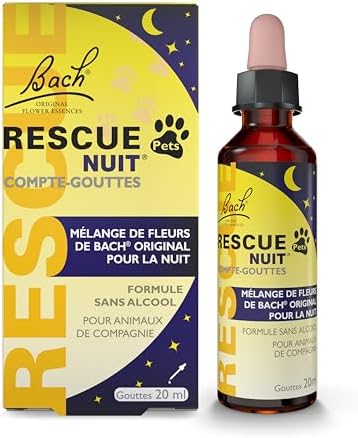

Understanding Common Pet Problems
The wellbeing of our pets is paramount, yet they can experience a variety of common health issues throughout their lives. Recognizing the symptoms and potential causes of these problems is essential for effective pet care. One frequently encountered issue is allergies, which can arise from environmental factors such as pollen, dust mites, or certain food ingredients. Symptoms often include itching, excessive scratching, and inflammation of the skin, prompting pet owners to seek remedies to alleviate their discomfort.
Digestive issues are another prevalent concern among pets, encompassing symptoms such as vomiting, diarrhea, and changes in appetite. These problems may result from dietary indiscretions, food intolerance, or infections. Understanding the potential triggers allows pet owners to adjust their pet’s diet or seek assistance from a veterinarian if necessary.
Infections, particularly those affecting the ears, skin, or urinary tract, are also common in pets. Signs can vary widely, with symptoms including foul odors, discharge, or unusual behavior indicating pain or discomfort. Identifying these signs promptly can prevent more severe complications and promote a quicker recovery.
Skin problems can manifest in various forms, such as dermatitis or hot spots, often caused by allergies, parasites, or underlying health conditions. Pets experiencing skin issues may exhibit redness, swelling, or hair loss, indicating a need for urgent care. Recognizing these symptoms is crucial for ensuring that pets receive timely and appropriate treatment to maintain their health.
By familiarizing themselves with these common health issues, pet owners can better understand their furry companions’ needs. This foundational knowledge enables them to monitor their pets effectively and recognize when it is necessary to seek out natural remedies or professional veterinary assistance to support their pets’ health.
Benefits of Natural Remedies
Utilizing natural remedies for common pet problems presents a myriad of benefits compared to conventional treatments. One of the most prominent advantages is the safety profile associated with many natural solutions. While pharmaceuticals often carry the risk of side effects—including digestive issues, allergic reactions, and potential toxicity—natural remedies tend to be gentler on a pet’s system. This enhanced safety makes them an appealing option for pet owners who are concerned about the adverse effects of synthetic medications on their beloved animals.
Another significant benefit of natural remedies is their cost-effectiveness. Conventional veterinary treatments can often be expensive, especially those involving long-term care or specialized medications. In contrast, many natural solutions can be more affordable, particularly when they involve easily accessible ingredients that pet owners can prepare at home. This economic advantage allows pet owners to provide consistent care for their pets without the burden of high costs.
Natural remedies also promote a holistic approach to pet health. Rather than merely addressing symptoms, these remedies often work to enhance overall well-being by supporting the body’s natural defense mechanisms. For instance, herbal supplements and natural oils can help boost immunity, improve digestion, and reduce anxiety, contributing to a more balanced lifestyle for pets. This emphasis on holistic care aligns well with the growing trend among pet owners to lead an organic lifestyle, choosing products that are free from harmful chemicals and additives.
In summary, the advantages of natural remedies extend beyond mere treatment; they encompass safety, cost-effectiveness, and a holistic consideration of pet health. By integrating natural solutions into their pets’ care regimen, owners can promote overall wellness while ensuring their furry companions lead healthier, more vibrant lives.
Popular Natural Remedies for Pets
Pet owners often seek natural remedies to address common health issues their furry companions may encounter. Understanding these remedies can empower owners to take a proactive approach to their pet’s well-being. Below is a comprehensive list of popular natural remedies categorized by specific problems.
Skin Irritations
Many pets suffer from skin irritations caused by allergies, insect bites, or dry skin. One effective natural remedy is oatmeal baths. To prepare, grind plain oats into a fine powder and mix it with warm water. Allow your pet to soak for 10-15 minutes, which can help soothe itching and inflamed skin. Additionally, coconut oil is often used as a topical application; simply massage a small amount onto affected areas to hydrate the skin and reduce irritation. For internal support, consider omega-3 fatty acids, which can be administered in supplement form or derived from fish oils, promoting overall skin health.
Digestive Troubles
Digestive issues such as bloating, constipation, or diarrhea can be quite uncomfortable for pets. One widely recognized remedy is pumpkin puree. This natural source of fiber can assist in firming up loose stools or easing constipation. A teaspoon for small dogs and a tablespoon for larger breeds is recommended daily. Additionally, plain yogurt can be beneficial in restoring gut health, offering probiotics that promote a balanced digestive system. When using yogurt, ensure it is free from artificial sweeteners, particularly xylitol, which is toxic to pets.
Anxiety
Pets may experience anxiety due to various circumstances like loud noises or separation from their owners. Herbal remedies such as chamomile can be effective; it can be given as a tea (cooled) or in capsule form. A common dosage is half a teaspoon of chamomile tea for small pets and one teaspoon for larger breeds, offered once daily. Another popular remedy is lavender oil. Its calming aroma can help soothe anxious pets; simply diffuser the oil in a room or add a few drops to a cotton ball near their resting area. However, ensure essential oils are used with caution and seek veterinary advice when considering these options for your pet.
By integrating these natural remedies into your pet care routine, you can effectively address common issues while ensuring your furry friend remains comfortable and healthy.
Precautions and Considerations
When considering natural remedies for common pet problems, it is crucial for pet owners to take specific precautions to ensure the safety and well-being of their animals. First and foremost, consulting with a veterinarian before initiating any new treatment is essential, particularly for pets that have pre-existing health concerns or are currently undergoing medication. A veterinarian can provide personalized advice based on the pet’s medical history, breed, and specific issues, thereby reducing the risk of adverse reactions.
Additionally, it is important for pet owners to be aware of potential allergic reactions that their pets may experience. Natural ingredients, while generally viewed as safer alternatives, can still trigger unexpected allergies in some animals. Therefore, introducing any new remedy should be done gradually, allowing pet owners to monitor for any signs of allergic reactions such as itching, swelling, or gastrointestinal disturbances. Keeping a close eye on their pet’s behavior after administering a remedy can help identify any negative responses in a timely manner.
Another consideration is the potency and quality of the natural remedies being used. Not all products are created equal; therefore, pet owners should opt for reputable brands that prioritize high-quality ingredients and have undergone rigorous testing. Understanding the appropriate dosage is also critical—certain natural substances can have differing effects based on the size and weight of the pet. Ensuring that the remedy is administered in a safe and effective manner is vital for optimal results.
In summary, while natural remedies can provide effective solutions for common pet issues, pet owners must exercise caution. By consulting a veterinarian, staying vigilant for any allergic reactions, and choosing high-quality products, pet owners can make informed decisions regarding the health of their furry companions.